Seeing your dog with a bleeding mouth can be a heart-wrenching sight. Imagine a typical evening at home: you’ve just finished dinner, and your dog, who was happily playing with a toy moments ago, suddenly appears with blood dripping from its mouth. Panic sets in as you scramble to figure out what’s wrong.
Believe it or not, this scenario is common among many pet owners. The immediate reaction is often one of fear and confusion, and that’s understandable. However, knowing what steps to take can make a significant difference. This article will guide you through the essential actions to take when you notice your dog’s mouth bleeding.
Stay Calm and Assess the Situation
When you first notice that your dog’s mouth is bleeding, the most important thing is to stay calm. Panicking will only make it harder to help your dog effectively. Take a moment to breathe deeply, and then carefully approach your dog to assess the situation. Once you’ve collected yourself, check where the blood is coming from and how much there is. This initial assessment will help you determine the severity of the bleeding and what steps to take next.
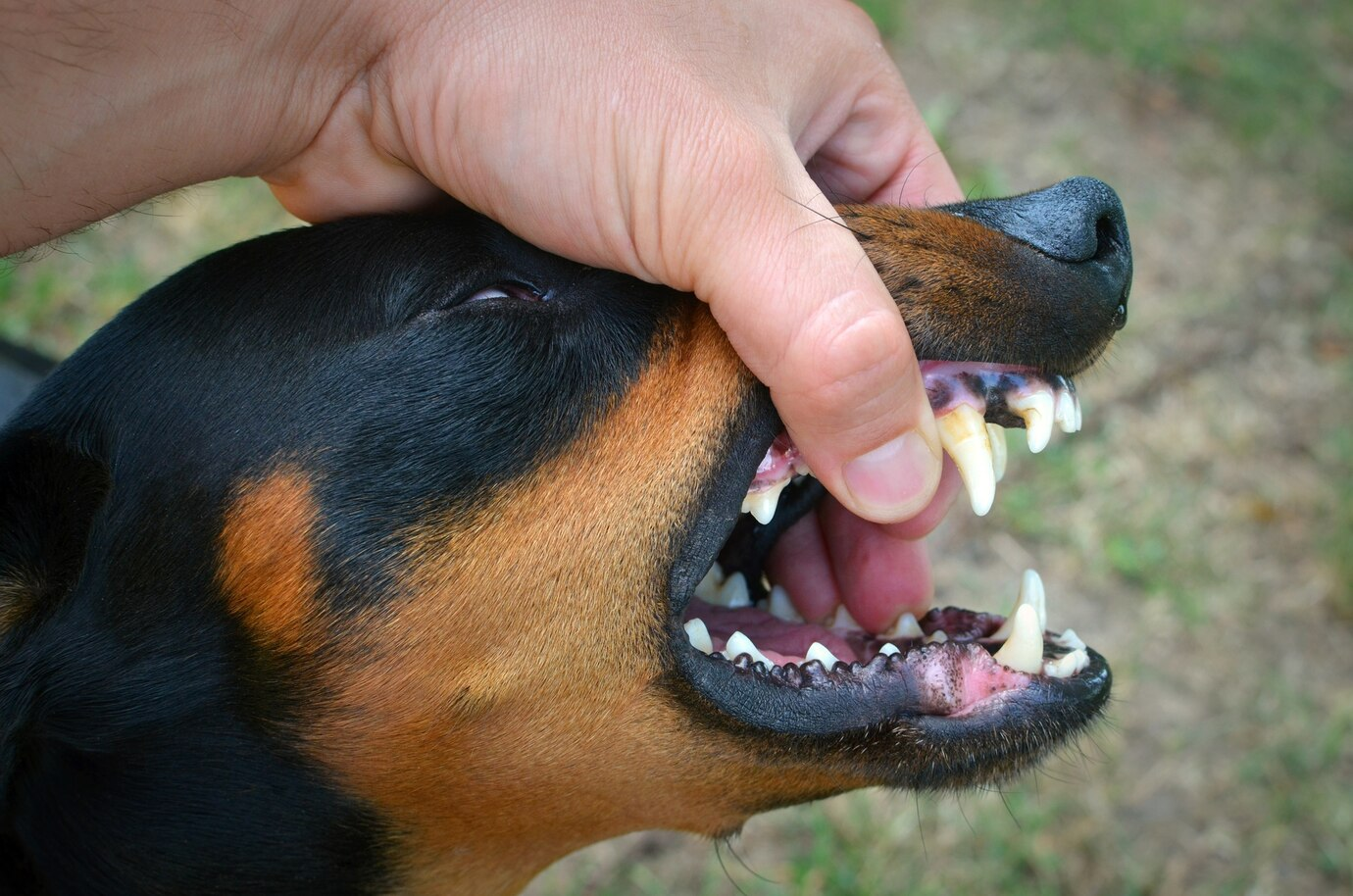
To assess your dog’s mouth, gently lift its lips and look for any obvious injuries such as cuts, broken teeth, or lodged objects. Ensure you have a clean cloth or gauze handy to gently press against any bleeding area to help control the bleeding and see more clearly. After you have assessed and managed any immediate bleeding, you can offer dental treats for dogs to help keep them calm, as these are not only tasty but also beneficial for their oral health.
One potential challenge is that your dog might be in pain and uncooperative. If your dog is resistant, try to soothe it with a calm voice and gentle petting. If the bleeding is severe and your dog is distressed, you may need to seek immediate veterinary assistance to avoid causing further stress or injury.
Clean the Wound
Once you’ve assessed the situation, the next step is to clean the wound. Cleaning helps prevent infection and allows you to see the extent of the injury better. Use clean water or a saline solution to rinse the area gently. Avoid using hydrogen peroxide or alcohol, as these can be too harsh and cause additional pain.
To clean your dog’s mouth, fill a syringe with the saline solution and carefully flush the wound. If you don’t have a syringe, use a clean cloth soaked in the solution to dab the area gently. It’s essential to keep your dog as still as possible during this process, so enlist help if you need someone to hold your dog steady.
Challenges during cleaning can include your dog moving around too much or not allowing you near its mouth. In such cases, wrapping your dog in a towel can help to restrict movement gently. If the bleeding doesn’t stop or if the wound appears deep, it’s best to contact your vet immediately.
Apply Pressure to Stop the Bleeding
If the bleeding continues after cleaning, apply pressure to the wound. This helps to control the bleeding and allows for clotting to start. Use a clean cloth or sterile gauze pad and press it gently but firmly against the bleeding area. Hold this position for 10-15 minutes without lifting to check too frequently, which can disrupt clotting.
To apply pressure correctly, place the cloth or gauze directly on the wound and hold it there for at least five minutes. If the bleeding persists, apply an ice pack wrapped in a cloth to the outside of your dog’s mouth. This can help constrict blood vessels and reduce bleeding.
A potential challenge is if your dog becomes restless or agitated while you’re applying pressure. Having someone help to calm and hold your dog can be very beneficial. If the bleeding doesn’t subside after 10-15 minutes of pressure, seek veterinary care immediately, as this could indicate a more serious issue.
Monitor for Signs of Infection
After you’ve managed to stop the bleeding, it’s crucial to monitor the wound for signs of infection over the next few days. Infection can complicate the healing process and cause additional health problems. Look for signs such as increased redness, swelling, discharge, or an unpleasant smell from the wound.
To monitor for infection, keep the wound area clean and dry. You might need to rinse it with saline solution twice a day. Ensure your dog doesn’t scratch or lick the wound excessively, which can introduce bacteria and delay healing. Using an Elizabethan collar (E-collar) can help prevent this behaviour.
One challenge in monitoring is that some dogs are very good at hiding discomfort. Watch for behavioural changes like reduced appetite, lethargy, or signs of pain, which can indicate infection. If you suspect an infection, contact your vet for advice and possible treatment, such as antibiotics.
Final Thoughts
Note that this guide covers first-aid treatment only. Even if the bleeding stops and there are no immediate signs of infection, schedule a vet visit for a comprehensive check for your dog. This will examine your dog’s mouth thoroughly, ensure no underlying issues need to be addressed, and seek guidance on how to prevent future incidents.

Be the first to comment