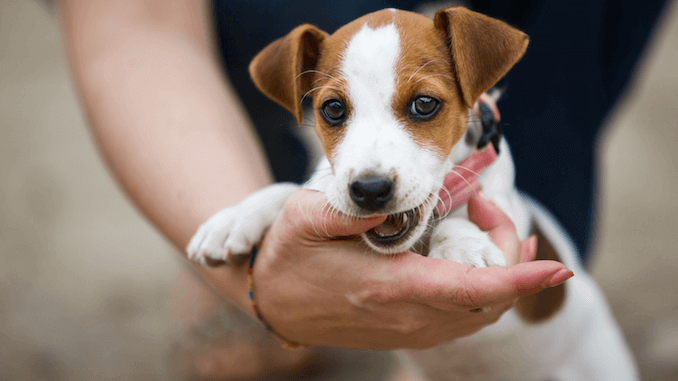
Dog bites are something most people hope never to experience. But the truth is, it’s a situation many people will face. Arizona, with its pet-friendly culture, has many dog lovers who enjoy hiking, parks, and outdoor activities with their pets, which makes dog-human interactions a common occurrence. Most of them go smoothly, but bites can still happen, and it helps to know what to do.
This guide will help you understand the situation and react in a way that’s safe and fair to everyone involved.
Understanding Why Dog Bites Happen
First, it’s essential to remember that most dogs don’t bite to be mean or aggressive. In fact, studies show that only about 1 in 4 bites from dogs are truly “aggressive” in nature. Most are a reaction to fear, surprise, or a feeling of needing to protect something or someone.
Imagine a scenario: you’re out at a park and go to pet a stranger’s dog, only to see it flinch and nip at you. The dog isn’t trying to hurt you, it may have simply been scared by the quick movement, or it didn’t realize you were trying to be friendly.
Another common situation is dogs protecting their “territory,” like their yard, toy, or even a person they feel attached to. If someone approaches too quickly or doesn’t give the dog a chance to sniff and feel comfortable, it might respond aggressively.
Knowing this can help you understand that most bites aren’t about a dog being “bad” but rather about a natural reaction. Dogs can’t talk, so they use body language and sometimes, that includes biting to get their message across.
What To Do Right After a Dog Bite
The first few minutes after a bite are very important, and staying calm is a big part of handling things safely. Dogs sense emotions well, and if you panic, the dog may become even more agitated. Here’s a simple rundown on what you should do:
Move Away Slowly
It’s natural to want to jump back or run if a dog bites, but that can actually make things worse. Instead, slowly back away to give the dog space and time to calm down. Avoid making any sudden movements or loud noises that might further startle the dog.
If Possible, Have the Dog Secured
If someone else is nearby, like the dog’s owner or a friend, ask them to help secure the dog with a leash or take it to another area. This way, the dog can calm down while you take care of yourself.
Check the Wound and Clean It Immediately
Even if the bite doesn’t look too bad, it’s important to clean it right away. According to the American Academy of Pediatrics, about 5% to 15% of dog bites become infected, especially if they aren’t cleaned properly. Wash the bite gently with soap and water, and apply an antiseptic if you have one.
Get Medical Help if Needed
If the bite broke your skin or looks serious, go and see a doctor. Dog bites can cause infections, including tetanus and, in rare cases, rabies. In Arizona, most dogs are vaccinated against rabies, but it’s always better to be safe, especially since rabies infections are nearly always fatal once symptoms appear.
When and How to Report a Dog Bite
If you’re not sure whether to report a bite, it’s a good idea to check with your local animal control agency. In Arizona, reporting requirements can vary by county, but generally, you’ll want to report if:
- The bite was severe or caused a lot of bleeding.
- You can’t confirm the dog’s vaccination status.
- You’re concerned about any signs of illness in the dog (like unusual behavior or aggression).
Once you report, animal control will likely check the dog’s vaccination records and they may recommend a quarantine period, usually for around 10 days. Quarantine doesn’t mean the dog will be punished or taken away. It’s just a precaution to ensure the dog is healthy and poses no risk.
Simple Ways to Prevent Dog Bites
There are a few simple ways to lower the risk of bites. Prevention is especially important when it comes to children, who are the most common victims of dog bites. According to some reports, more than half of all dog bite victims are under the age of 12.
Learning Dog Body Language
Dogs “talk” with their body, and understanding their signals can go a long way in preventing bites. For example, if a dog’s ears are pinned back, its tail is low, or its body is stiff, it’s often a sign that the dog is anxious or unsure. Giving the dog space and avoiding direct eye contact can help it feel more comfortable.
Teaching Kids How to Interact with Dogs
Since kids are naturally curious and energetic, they sometimes rush up to dogs without thinking. Teaching kids to let a dog sniff their hand before petting and to avoid hugging or grabbing can help prevent bites. Remind them to be gentle and calm and to ask the dog’s owner for permission first.
Respecting a Dog’s Personal Space
Even the friendliest dogs have their limits. Avoid approaching a dog that’s eating, sleeping, or guarding something like a toy or bed. Just like people, dogs need a little “me-time” to feel safe and happy.
Compassion and Good Communication Make All the Difference
Handling a dog bite situation doesn’t have to be a stressful or confrontational experience. When everyone involved stays calm, communicates clearly, and shows compassion for both people and dogs, things can usually be resolved in a fair and peaceful way.
Dog bites may be scary, but they don’t have to lead to hard feelings or bigger problems. By understanding why bites happen, knowing how to react, and showing respect to everyone involved, we can keep things positive for both humans and our furry friends.



Be the first to comment