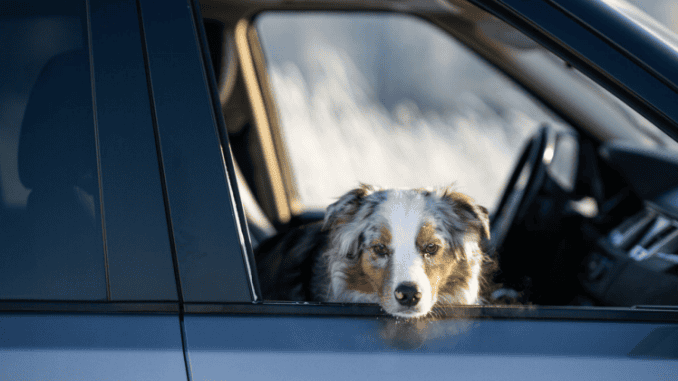
Key Takeaways:
● Familiar routines and calm repetition can reduce car-related stress in dogs
● Motion sickness and overstimulation are often mistaken for fear
● A secure and comfortable travel setup helps dogs feel more in control
● Professional support is valuable when fear becomes a barrier to safe travel
You love your dog, but road trips can feel like a nightmare when they’re shaking, drooling, or trying to crawl into your lap at 100km/h. Whether you’re heading up the coast or just across town, a stressed-out pup can turn every drive into a tension-filled event. But a bit of planning and understanding goes a long way. If your dog hates the car or struggles to stay calm, you’re not alone—and there are ways to help.
Nervous travellers aren’t just people. Dogs can develop strong reactions to car travel, and once that fear kicks in, it tends to snowball. Instead of forcing them through it, the key is working with their instincts and gradually changing their emotional response to the experience. No gimmicks, no harsh corrections—just real strategies that actually work.
What Makes Dogs Anxious During Travel?
It’s not just about the car itself. For many dogs, the anxiety begins before the ignition even turns. They might pick up on your preparation routine—keys jingling, bags packed, that familiar rush of getting out the door—and begin to panic before they’ve even left the house.
Inside the car, it can get worse. The motion, the sound of the engine, sudden stops, and the sheer unfamiliarity of it all combine into a sensory overload. Some dogs also associate the car with unpleasant destinations. If the vet is the only place they go, it’s not surprising they dread the trip. Others may have had a bad experience early on, like being transported during a stressful event or getting carsick, which then sticks with them.
Understanding where your dog’s fear comes from is a first step. It’s not about spoiling them or giving in to bad habits—it’s about recognising that the fear is real, and helping them feel safer next time.
How Routine and Familiarity Can Help
Dogs crave predictability. When their environment shifts too quickly, or when new experiences come out of nowhere, anxiety spikes. That’s why routine matters so much when introducing travel. Starting with short, calm drives where nothing bad happens can be more effective than a dozen reassurances on a longer trip.
One simple approach is to create a “travel ritual” your dog can learn to expect. A walk before the drive, a calm moment to sit with you before getting in the car, and a consistent way of entering the vehicle can all reduce tension. It also helps to keep your mood steady—no rushed energy or dramatic goodbyes.
Once in the car, head somewhere fun. Even if it’s just a quiet park or a peaceful street, make the drive feel like it leads to something good. When you repeat this routine often enough, your dog may begin to associate the car with stability instead of stress. Familiar smells, sounds, and rewards all help cement that shift.
Comfort Starts with the Right Setup
Feeling physically secure helps many anxious dogs stay emotionally settled. If your dog shifts around with every turn or brake, that instability can build their stress before you’ve even left the driveway. Creating a consistent, contained space inside the car can give them something to relax into instead of constantly reacting to movement.
Some dogs do better in enclosed spaces like travel crates, while others prefer to be seated higher where they can see what’s happening outside. For smaller breeds especially, dog car seats often provide that balance between security and visibility. When they’re snugly strapped in and lifted slightly off the seat, many dogs show fewer signs of restlessness and are less likely to pace or paw.
Adding in familiar comforts like a blanket from their bed or a soft toy can reinforce that sense of safety. You’re not trying to distract them—you’re giving them cues that say this space is okay. Keep the noise low, reduce sharp airflows, and try to avoid clutter in the back seat. Even minor changes, like adjusting the angle of sunlight or limiting reflections from windows, can influence how your dog experiences the ride.
Managing Motion Sickness and Overstimulation
Not all car stress is emotional. Some dogs simply feel unwell during travel, and that discomfort quickly gets associated with fear. If your dog drools excessively, swallows repeatedly, or seems unusually quiet on car rides, they could be dealing with nausea. It’s more common than many owners realise, especially in younger dogs who haven’t yet developed a tolerance for movement.
Feeding less before travel often helps, particularly if your trips are short. Some dogs do best with an empty stomach, while others tolerate a small snack better than nothing at all. You might need to experiment a little to see what works, but keep any changes small and consistent. For more severe cases, a vet can recommend medications or supplements to settle the stomach.
Overstimulation is another common trigger. Fast-moving scenery, loud engines, and flashing reflections can overwhelm sensitive dogs. If your pup seems more anxious on busy roads or during daylight, tinted windows or mesh shades might take the edge off. Others respond better when they can’t see out at all, preferring a crate that limits visual input. Like people, dogs vary in how much stimulation they can process—and what calms one might trigger another.
Staying Calm Yourself Makes a Big Difference
Dogs are always reading the room. If you’re tense, they know. If you’re rushing, they notice. And if you’re frustrated before you’ve even buckled in, your dog has already started absorbing that energy. For dogs that struggle with travel anxiety, your mood sets the baseline. A calm, steady rhythm tells them this is routine, not a threat.
Give yourself extra time before a drive so you’re not pushing through the process. Speak quietly, move slowly, and avoid high-energy goodbyes or overexcited greetings at the end. Even if they’re barking or trembling, responding with patience instead of panic helps reduce the spike in their stress. Over time, that consistency becomes part of their expectation—and that’s what you want. The car should feel predictable, not chaotic.
Some owners try soothing music or calming sprays, which can work in moderation. But what often helps most is simply maintaining your own equilibrium. If they see you relaxed and unbothered, they’re more likely to mirror that state in future trips.
When to Get Help from a Trainer or Vet
Sometimes the usual advice isn’t enough. If your dog’s anxiety is getting worse, or if they’re refusing to get into the car at all, outside help can make a real difference. Trainers who specialise in behaviour-based approaches can guide you through desensitisation steps that go beyond short drives and treats. These methods are particularly useful when the fear is deep-rooted or linked to past trauma.
Veterinarians can also assist with short-term support if your dog becomes physically ill or panicked during travel. There’s a common hesitation among owners about using medication, but in some cases, it’s a bridge that helps the dog relearn the experience in a calmer state. For long trips, especially in hot weather or unfamiliar environments, a vet’s guidance can make travel much safer and more manageable.
No matter the approach, the goal stays the same: to give your dog the tools to feel more secure. You’re not trying to force them to like car rides—you’re showing them they don’t have to be afraid of them.

Be the first to comment