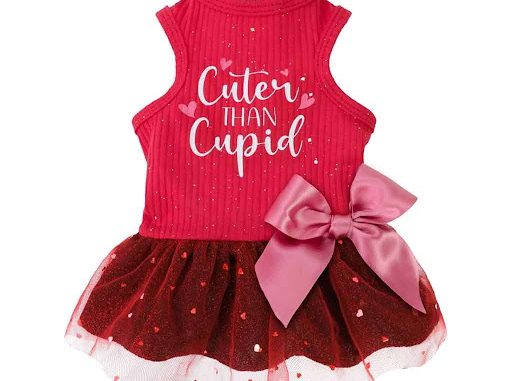
Pet fashion has evolved from a quirky niche into a thriving cultural phenomenon, with dog owners worldwide embracing the joy of dressing their furry companions in adorable outfits. There’s something undeniably heartwarming about seeing your pup in a carefully chosen dress—it deepens the bond between pet and owner while showcasing your dog’s unique personality. Yet behind every Instagram-worthy photo lies a challenge many owners face: finding dog dresses that actually fit well. An ill-fitting dress can turn a fun experience into a stressful one, causing your dog to squirm, pull, or show signs of genuine discomfort. Tight garments restrict movement and chafe sensitive skin, while oversized ones create tripping hazards and constant readjustment. This article serves as your comprehensive guide to navigating dog dress sizing with confidence. You’ll learn exactly how to measure your dog, interpret brand size charts, select comfortable materials, and avoid the most common fitting mistakes—so your pup can look stylish while feeling completely at ease.
Why Proper Dog Dress Sizing Matters for Pet Comfort
Getting the right size in a dog dress isn’t merely an aesthetic concern—it directly impacts your pet’s physical and emotional well-being. A dress that’s too tight creates friction against your dog’s skin, particularly around the neck, chest, and underarms where movement is constant. Over time, this chafing can lead to irritation, hair loss, and even open sores that require veterinary attention. Restricted movement around the shoulders and ribcage also interferes with natural breathing patterns, especially in brachycephalic breeds already prone to respiratory challenges.
Beyond physical discomfort, poorly fitting clothing triggers anxiety in many dogs. You might notice excessive panting, freezing in place, attempts to bite or scratch at the garment, or a tucked tail—all signs that your dog associates the dress with stress rather than positive experiences. This negative association makes future dressing attempts increasingly difficult, undermining the entire purpose of pet fashion.
When sizing is correct, the opposite happens. Dogs move freely, barely noticing they’re wearing anything at all. They maintain their natural gait, play without restriction, and remain relaxed during outings. Proper fit also means the dress stays in place without constant owner intervention—no bunching, riding up, or shifting sideways. Comfortable dog clothing transforms dressing from a battle into a bonding ritual, allowing both you and your pup to genuinely enjoy the experience of stepping out in style together.
How to Measure Your Dog for the Perfect Dress Size
Accurate measurements form the foundation of finding a dress that fits your dog beautifully. Many owners skip this step, relying on breed generalizations or eyeballing their dog’s frame—only to end up with returns and frustrated pups. Taking five minutes with a soft measuring tape can save you hours of hassle and ensure your dog’s comfort from the first wear.
Essential Measurements: Neck, Chest, and Length
Grab a flexible fabric tape measure (a rigid one won’t conform to your dog’s curves) and have some treats handy to keep your pup standing naturally. For neck girth, wrap the tape around the base of the neck where a collar typically sits, leaving enough room to slide two fingers underneath. Chest circumference is measured at the widest point of the ribcage, usually just behind the front legs—again, maintain a two-finger gap for breathing room. Back length runs from the base of the neck (where the collar sits) to the base of the tail. Always measure while your dog is standing on all fours in a relaxed posture, and take each measurement twice to confirm accuracy. Record these numbers in both inches and centimeters since brands vary in their chart formats.
Interpreting Size Charts from Dog Dresses Brands
Size charts differ significantly between manufacturers, so never assume a “medium” in one brand matches another. Compare your recorded measurements against each brand’s specific chart, prioritizing chest circumference as the most critical fit indicator—a dress that’s tight around the chest causes the most discomfort. If your dog falls between two sizes, always size up, as you can adjust a slightly loose dress but cannot stretch a tight one. Pay attention to breed-specific notes some brands include, since a Dachshund’s proportions differ dramatically from a Pug’s even at similar weights. Brands like Fitwarm provide detailed size charts that account for various body types, making it easier to cross-reference your measurements with their recommended fits. When in doubt, contact the brand directly with your measurements for a personalized recommendation.
Choosing Comfortable Dog Clothing Materials and Designs
Even with perfect sizing, the wrong fabric can make a dog dress uncomfortable within minutes. Material selection plays an equally important role as fit when it comes to keeping your pup happy in their outfit. The best comfortable dog clothing starts with breathable, skin-friendly fabrics that work with your dog’s natural body temperature regulation rather than against it.
Cotton remains the gold standard for everyday dog dresses because it’s soft against fur and skin, absorbs moisture, and allows air circulation that prevents overheating. For active dogs who need more give in their garments, cotton-spandex blends provide stretch without sacrificing breathability. Lightweight polyester mesh works well for warm-weather outfits, while fleece-lined options offer warmth during colder months without excessive bulk. Avoid stiff fabrics like heavy denim or anything with rough interior seams that can dig into your dog’s skin during movement. If your dog has sensitive skin or allergies, look for hypoallergenic fabrics and garments with flat-locked seams that eliminate interior ridging entirely.
Design features matter just as much as fabric choice. Adjustable elements like Velcro closures, snap buttons, or elastic waistbands accommodate slight fluctuations in your dog’s weight and allow you to customize the fit after purchase. A well-designed dog dress features a generous armhole cut that doesn’t pinch during walking or running, and a belly panel that doesn’t hang so low it catches on legs. Look for dresses with a D-ring or leash hole built into the back, eliminating the need to layer a harness over the outfit. The easiest designs to put on—step-in styles or those with wide head openings—also tend to be the most comfortable since they require minimal tugging and repositioning during dressing.
Styling Tips for Pet Fashion with Comfort in Mind
Achieving a fashionable look for your pup doesn’t require sacrificing their comfort—the best dog dresses merge style and practicality seamlessly. Start by considering the occasion and environment. A lightweight tulle or cotton dress works beautifully for outdoor spring gatherings, while a structured knit dress with a cozy lining suits winter walks without overheating your dog indoors. Seasonal awareness prevents the common mistake of prioritizing appearance over your dog’s thermal needs.
When building your dog’s wardrobe, choose versatile pieces that layer well rather than elaborate one-time outfits. A simple, well-fitted cotton dress can transition from casual to festive with the addition of a removable bow or bandana. Pet fashion thrives when you work with your dog’s natural coloring and body shape—darker fabrics flatter stockier builds, while prints and ruffles complement slender frames without adding restrictive bulk. For accessories, stick to lightweight clip-on bows, soft fabric collars, or snap-on embellishments that add visual interest without weighing your dog down or creating snag points. Avoid anything dangling near the legs or face, and skip rigid headpieces that most dogs find intolerable. The golden rule of stylish pet fashion is simple: if your dog moves confidently and happily, the outfit looks better than any forced pose ever could.
Common Mistakes to Avoid When Dressing Your Dog
One of the biggest errors dog owners make is ignoring their pet’s body language during and after dressing. Lip licking, whale eyes, stiffening, or repeated attempts to shake off the garment all signal distress—remove the outfit immediately and reassess the fit rather than pushing through for a photo opportunity. Another frequent mistake is prioritizing aesthetics over function, choosing an ornate dress with restrictive boning or heavy embellishments when a simpler design would allow natural movement. Always test a new outfit at home before wearing it out so your dog can adjust in a low-pressure environment. Weather-inappropriate choices also cause problems: putting a fleece-lined dress on your dog during a humid summer day invites overheating, while a thin cotton piece offers no benefit on freezing walks. Match fabric weight to conditions every single time. Finally, many owners neglect garment care—washing dog dresses in harsh detergents or skipping washes entirely leads to stiff, bacteria-laden fabric that irritates skin. Use gentle, fragrance-free detergent and wash after every few wears to maintain softness and hygiene.
Prioritizing Comfort for a Stylish and Happy Pup
Finding the right dog dress size isn’t about guesswork—it’s about taking precise measurements, understanding how different brands structure their sizing, and choosing materials that respect your dog’s need for unrestricted movement and thermal comfort. The chest measurement remains your most reliable guide, while breathable fabrics like cotton and stretch blends ensure your pup stays comfortable throughout the day. Remember that proper fit eliminates both physical irritation and the anxiety that comes with restrictive clothing, transforming dressing time from a struggle into something you and your dog genuinely enjoy together. Pet fashion should always serve your dog’s well-being first and aesthetics second. When comfort leads the way, style naturally follows—a relaxed, happy dog carries any outfit with more charm than the fanciest design on a stressed pup ever could. Take the time to measure carefully, read size charts critically, and watch your dog’s body language honestly. Armed with this guide, you’re ready to build a wardrobe that keeps your furry companion looking adorable and feeling completely at ease.



Be the first to comment