Choosing a companion dog that can make your home more joyful and allow for a relationship built on affection and trust requires some important considerations. These include the preferred size of the dog, whether you live in the city or countryside, the space available, and how these breeds interact with children if you have any. In fact, some breeds, more than others, integrate into human daily life with natural ease and discretion, without giving up character and vitality. Let’s look at some of the most beloved breeds for those seeking a companion dog.
Cavalier King Charles Spaniel
The Cavalier King Charles is one of those dogs that seem born to be by a human’s side—truly a lapdog, polite and affectionate. Its constantly joyful expression and compact size make it perfect for families with children and for seniors who want a loving but not overbearing companion. It needs constant presence, suffers from loneliness, and does not like being left alone for hours. It is a companion dog in the truest sense of the word: its emotional balance is built within the relationship.
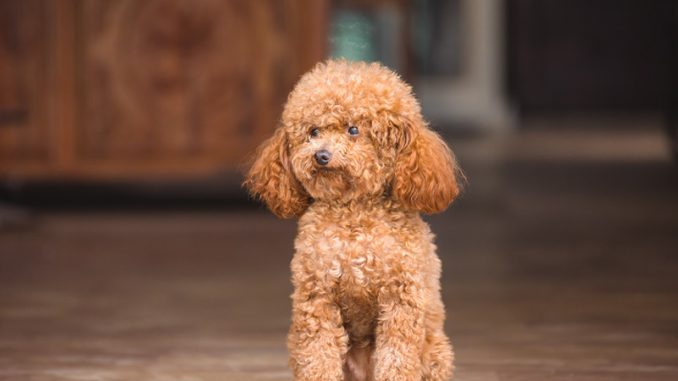
Toy Poodle: small but smart
Those looking for an intelligent, clean, and adaptable companion dog often come across the Toy Poodle. This is a small-sized dog that, behind its plush-like appearance, hides a surprisingly sharp mind. It is one of the most intelligent dogs overall, very easy to train, receptive, and quick to learn rules and commands.
Its lively nature makes it a great playmate for children, but also a discreet and attentive partner for adults. It doesn’t shed, doesn’t produce unpleasant odors, adapts well to apartment living, and loves routine.
With proper socialization in the early months, it can become a very balanced dog. It is sensitive: it must be treated with respect, avoiding shouting and coercive methods. The Toy Poodle doesn’t need large spaces, but it does require constant mental stimulation, short walks, and continuous contact with its human.
Pug
A tireless sofa companion, the Pug is a breed whose main trait is empathy. Its comical and slightly melancholic expression, wheezy breathing, and slow movements make it an irresistible character.
It is a dog that loves company, contact, and cuddles, but doesn’t demand much physical activity. It adapts well to slower rhythms, as long as it’s not left alone.
Not a fan of intense exercise, the Pug prefers indoor life, regular schedules, and constant affection. It tends to gain weight and requires more frequent dietary and veterinary attention than other breeds. But for those seeking an affectionate, funny, and big-hearted companion, the Pug is an unforgettable choice.
Shih Tzu
The Shih Tzu still carries a regal aura. Originating from imperial China, it was bred as a companion dog for noble families. Despite its elegant appearance, it is lively, curious, and playful.
It has a gentle temperament, forms deep bonds with its humans, and is also suitable for homes with other animals. Its long, silky coat requires consistent grooming, but the Shih Tzu is not a fragile dog.
It loves home life but also enjoys short and regular walks. Its patient nature makes it ideal for seniors and families with not-too-rowdy children. It has no guarding instincts or desire to escape. It simply wants to be loved—and to return that love.
Bichon Frisé
Similar to the poodle in some ways, the Bichon Frisé stands out for its more outgoing personality and its round appearance, giving it the look of a perpetual puppy. It is a breed especially suited for those who want a dog that’s always ready to play, engage, and bring smiles. It does not tolerate loneliness and may become destructive if neglected.
But if included in a consistent and present routine, it is one of the most rewarding companion dogs. Its white, curly fur requires frequent grooming, but the result is often spectacular. It loves movement but doesn’t need it obsessively: daily activities, interactive games, and physical contact are enough to keep it happy.
There’s no such thing as the perfect breed, but there is the one that’s perfect for you. A balanced dog is not just the result of genetics, but of context, of love received, and of the time dedicated to its development.

Be the first to comment