Municipal and state legislatures around the world are tightening animal control laws fast. Nearly 17,000 dog attacks are reported annually in jurisdictions like Ohio, and the real number could be double that, thanks to unreported incidents. That kind of volume has pushed lawmakers to ditch lenient warnings in favor of steep financial and criminal penalties.
So what does this mean for you as a dog owner? The liability landscape has shifted dramatically. If you haven’t caught up with what constitutes a “dangerous” designation under the latest rules, now’s the time.
How 2026 Laws Define Dangerous and Vicious Dogs
New Statutory Definitions
Legal frameworks around animal behavior aren’t just reactive anymore. They’re preventative. Ohio’s House Bill 247, known as Avery’s Law, overhauled the definition of a “dangerous” dog to include any animal that causes injury, kills another dog, or racks up a third confinement violation. Municipal enforcement officers no longer need lengthy judicial proceedings to pull an animal from a hazardous situation.
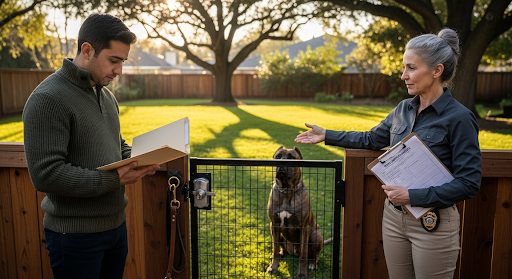
Dog wardens can now seize vicious dogs on the spot, which dramatically speeds up the entire enforcement timeline. And this isn’t just an Ohio thing. Langford’s updated bylaws now require mandatory muzzling, constant leashing, and clear property signage for all designated dogs.
Breeds with naturally high prey drives, like the Catahoula Leopard Dog, may need specific containment strategies or extra behavioral oversight to meet these stricter standards.
The Financial Cost of Non-Compliance
Strict Liability and Insurance
Owning a designated dog is getting expensive. Ohio enforces strict liability, which means you’re on the hook for damages from an attack regardless of whether your dog has ever shown aggression before. The old “one-bite rule” defense? Gone. Financial responsibility lands on you immediately.
The average dog bite claim in Ohio recently hit $50,692. That’s not a typo. And to address the potential for catastrophic losses, municipalities are rolling out compulsory insurance requirements tied to specific dog classifications. Avery’s Law now requires $100,000 in liability insurance for owners of dogs carrying a dangerous designation.
Here’s a quick comparison of what you’re looking at depending on your dog’s status:
| Requirement | Standard Pet Ownership | Designated “Dangerous” Dog
|
| Liability insurance | Standard home policy coverage | Mandatory high-limit ($100K minimum) |
| Containment | Standard local leash laws | Mandatory muzzles, specialized enclosures |
| Penalties for escaping | Standard municipal fines | Immediate seizure, unlimited fines, possible criminal charges |
How Investigations Work and What You’re Required to Report
The 24-Hour Window
When a complaint hits a municipal authority or public health department, things move quickly. Officials focus on identifying the animal, assessing severity, and preventing public health risks like rabies. Public health departments, such as the Montgomery County Animal Resource Center, enforce a mandatory 10-day quarantine based on the rabies virus shedding period.
Here’s the part that catches a lot of people off guard: state law says anyone with knowledge of an incident must report it within 24 hours. Missing that deadline can compromise your legal standing. If you’re unsure how to handle this, Attkisson Law Firm offers practical guidance on reporting dog bites in Ohio, helping you satisfy the mandate while protecting your rights during an investigation.
So what actually triggers a dangerous dog investigation? Here are the most common catalysts:
- Unprovoked bites or attacks: Any incident causing human injury, no matter how minor, that leads to medical attention and documentation.
- Livestock worrying: Chasing, stressing, or attacking agricultural animals, including newly protected species like alpacas and llamas.
- Repeat confinement violations: Three or more citations for letting your dog roam freely without direct supervision.
- Dog-on-dog aggression: Cases where a dog severely injures or kills another domestic animal during an unprovoked encounter.
Staying Ahead: Risk Management for Dog Owners
Training and Containment
Want to avoid the financial and legal fallout of a dangerous dog designation? You’ve got to be proactive, not reactive. Consistent behavioral training is a must, especially when you consider the everyday risks. Ohio logged 359 attacks on postal workers in a single year. That’s just mail carriers.
Strong obedience foundations keep your dog controllable even in high-stimulation situations or unexpected encounters with strangers. And while the reporting deadline is 24 hours, don’t forget: the statute of limitations for civil lawsuits can stretch to six years from the date of the incident. Long-term documentation matters just as much as your immediate response.
Experts also recommend infrastructure investments like reinforced fencing and strategic use of private off-leash areas to prevent unintentional livestock worrying. These steps demonstrate responsible ownership and build a real layer of defense against strict liability claims.
Planning for a Stricter Regulatory Future
The shift toward tighter municipal legislation and unlimited financial penalties isn’t slowing down. Regulatory bodies aren’t accepting “I didn’t know” as a defense against property damage or personal injury claims anymore. The legal environment in 2026 favors swift, preventative action over after-the-fact warnings.
Strict liability means you’re financially accountable for all damages, full stop. Consider that dog bites made up nearly 75% of all animal bite reports in regions like Portage County recently. Preventative infrastructure and solid liability insurance aren’t optional; they’re table stakes. If you own a dog in 2026, understanding your legal exposure and taking steps to reduce it is just part of being a responsible owner.

Be the first to comment