- Cats respond best to litter setups that combine comfort, cleanliness, and convenience
- Placement, maintenance, and box type influence both behaviour and ease of care
- Sudden changes in litter habits may signal health concerns requiring a vet visit
- Eco-friendly options are available for fur parents aiming to reduce waste
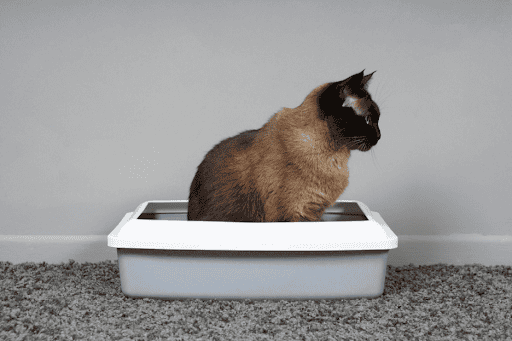
If you’ve ever lived with a cat, you already know the litter setup can either make life smooth or turn into a daily frustration. The right choices help keep your home fresh, your cat content, and cleaning duties less of a chore. The wrong setup, on the other hand, can lead to odour, mess, and even behaviour issues. As a fur parent, it’s not just about placing a box in the corner and hoping for the best. It’s about understanding what makes your cat feel comfortable and what makes your home manageable.
Choosing the Right Type of Litter
Cats can be surprisingly particular about what goes under their paws. Some thrive on traditional clay litter because it feels familiar and offers good odour control. Others prefer softer textures like recycled paper pellets or wood-based options, which tend to be lighter and less dusty. Crystal litter, made from silica, absorbs moisture effectively and can reduce odour, but may not suit cats who dislike larger granules.
Clumping litter makes cleaning easier since waste can be scooped out without replacing the entire tray, but not every cat enjoys the firmer feel it creates. Non-clumping litter may need more frequent changes, yet can sometimes be gentler on sensitive paws. The goal is to match your cat’s comfort with what fits your household routine. It often takes a little trial and error, and once you find the right fit, your cat will usually let you know by using it consistently.
The Importance of Litter Box Placement
Where you place the litter setup matters just as much as what goes in it. Cats value privacy, and a noisy or high-traffic location can discourage them from using it properly. A quiet corner of a room, away from busy walkways and loud appliances, usually works best. For multi-cat households, spreading out several litter areas prevents territorial tension and gives each cat a safe option.
Accessibility is another key factor. Older cats or kittens may struggle with steep edges or hidden locations. Keeping the box on the same level of the house where your cat spends most of their time can also prevent accidents. Even in small apartments, positioning matters; placing the setup near food or water bowls isn’t ideal, as most cats prefer separation between their eating and toileting areas. A thoughtful placement ensures your cat feels secure, which leads to fewer messes for you.
Hygiene and Maintenance Habits
Cleanliness is one of the most important factors in whether your cat will consistently use their litter. A box that isn’t scooped often enough quickly develops odours, which may cause your cat to look for other places to go. Daily scooping keeps things fresh, while a deeper clean every week or two helps prevent lingering smells and bacteria from building up.
The type of box also plays a role in its ease of maintenance. A covered tray might reduce visible mess, but it can trap odours if not cleaned often enough. An open tray makes cleaning more straightforward and allows better air circulation, though it may need to be tucked in a low-traffic spot. Using a cat litter box that matches both your space and your cat’s preferences means upkeep feels less like a burden. The cleaner the setup stays, the more comfortable it is for your cat and the less work it becomes for you.
Common Behavioural Issues Linked to Litter
When a cat avoids the tray, it’s rarely out of spite. More often, it’s their way of communicating that something isn’t working. A box that’s too small, litter that feels uncomfortable underfoot, or even the wrong location can all drive them to use carpets, laundry piles, or corners of the house instead. Some cats dislike scented litter because it overwhelms their sensitive noses, while others may refuse to use a tray if it isn’t cleaned often enough.
Stress can also influence behaviour. In multi-cat homes, a timid cat may feel threatened if another cat dominates access to the litter area. Spraying or marking can be a sign of territory disputes rather than a problem with the litter itself. By looking closely at when and where these issues occur, you can often trace them back to a manageable cause. Adjusting the setup, adding an extra tray, or making the environment calmer can restore good habits and reduce stress for both you and your cat.
Health Considerations for Cats
Changes in litter habits can be one of the first signs of health issues. Straining, frequent attempts with little result, or avoiding the tray altogether may point to urinary tract problems that need immediate veterinary attention. Constipation or diarrhoea can also show up in the tray before you notice symptoms elsewhere. A sudden increase in urination could be linked to kidney or thyroid conditions, which are more common as cats age.
Being observant about your cat’s routine helps you catch problems early. It’s not about checking obsessively but paying attention to patterns. If something shifts suddenly and doesn’t correct itself, it’s best to contact your vet rather than waiting it out. Keeping an eye on habits around the litter setup isn’t just about cleanliness; it’s an essential part of protecting your cat’s health.
Eco-Friendly Litter Solutions
Many fur parents are looking for ways to reduce household waste, and litter choices can make a difference. Plant-based materials such as corn, wheat, or recycled paper tend to break down faster than traditional clay and can often be composted if handled properly. Wood pellet litter is another popular choice, offering natural odour control while being more sustainable.
These options aren’t perfect for every home. They may cost a little more or require different cleaning routines, but for households looking to reduce their environmental impact, they provide a worthwhile alternative. Cats often adjust well to natural litters, especially when introduced gradually. Making the shift can be a small but meaningful step in aligning pet care with eco-conscious living.
Balancing Your Lifestyle and Your Cat’s Needs
Every home is different, and the best litter setup is the one that works for both you and your cat. If you have a busy schedule, clumping or crystal options save time with scooping. In small apartments, open trays may be easier to clean quickly, while covered trays can help contain mess if space is tight. Multi-cat households may need more than one setup to keep peace, while single-cat homes might only require a carefully chosen spot.
The goal is to create a balance where your cat feels secure and you don’t feel overwhelmed. When the setup is convenient, clean, and comfortable, it becomes an easy part of daily life rather than a constant struggle. Paying attention to your cat’s preferences alongside your own routine helps you maintain that harmony over time.

Be the first to comment